
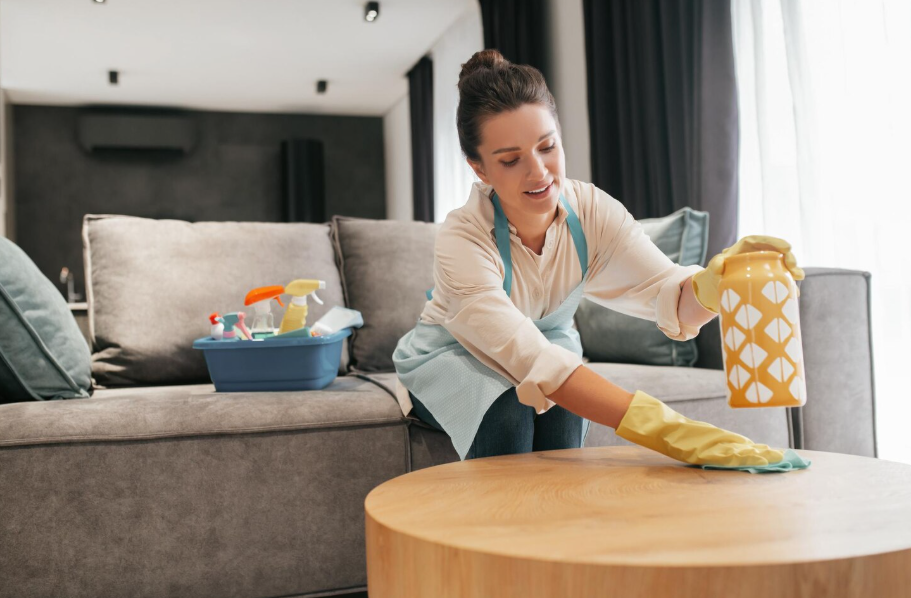
Deep cleaning an entire home can feel overwhelming, especially when every room seems to need attention at once. The easiest way to make it manageable is to stop thinking of it as one giant chore and instead treat it like a structured reset. With the right supplies, a clear order of attack, and a full day set aside, you can make serious progress without feeling scattered.
The key is to prepare before you begin, move through the home in a logical sequence, and focus on one space at a time. When you follow a schedule instead of bouncing between rooms, the work feels more controlled and the results are far more satisfying.
Start With Preparation
Before any serious cleaning begins, take time to clear visible clutter. Put stray items back where they belong, throw away trash, and move anything out of the way that will slow you down once the actual scrubbing starts. A cleaner workspace makes every other part of the day easier.
It also helps to gather everything in advance. Keep your cleaning products, microfiber cloths, mop, vacuum, gloves, and brushes together so you are not wasting time hunting for supplies in the middle of the job. If you are washing linens, towels, or removable fabric items, get your laundry area ready too. The reference article also stresses beginning with decluttering and having supplies ready before starting.
Clean From Top to Bottom
One of the smartest ways to deep clean efficiently is to work from the highest surfaces down to the floor. Dust from ceiling fans, shelves, and trim will fall as you clean, so it makes sense to leave floors for last. This prevents you from having to redo surfaces that were already cleaned earlier in the process. The source article specifically recommends a top-to-bottom approach and working through the house in an ordered way.
If your home has multiple floors, start upstairs if possible and move downward. That way, dirt and clutter are always moving in one direction instead of following you back into finished spaces.
Morning: Refresh the Bathrooms
Bathrooms are a good place to begin because they require both disinfecting and detail work. Start by removing smaller items from the counters, tub edges, and shelves so you can reach every surface. Put washable bath items such as towels, mats, and certain curtains into the laundry.
Next, dust light fixtures, corners, and trim before using your cleaners on the sink, tub, shower, and toilet. If your tile grout needs attention, apply cleaner early so it has time to sit while you tackle the rest of the room. Finish by polishing mirrors, scrubbing the grout, and then vacuuming or sweeping before mopping the floor. The source article’s bathroom section follows this same basic sequence: clear the space, wash removable items, let grout cleaner sit, scrub fixtures, clean mirrors, and finish with the floor.
Late Morning: Tackle the Bedrooms
Bedrooms often look simple at first glance, but they collect dust in overlooked places. Begin high by dusting fan blades, upper trim, and door frames. Then move to dressers, nightstands, lamps, and other flat surfaces.
Strip the bed and wash your bedding. Fresh linens instantly make the room feel cleaner even before everything else is done. While the bed is bare, vacuum the mattress and freshen it if needed before remaking it. Clean mirrors and windows, then finish the room with a full vacuuming and, if your flooring calls for it, a damp mop. The reference article’s bedroom routine includes dusting high-to-low, laundering bedding, cleaning glass, and finishing the floors before putting fresh linens back on the bed.
Do not forget connecting spaces such as hallways and stairs. These transitional areas gather dust just as easily and can make the entire house feel cleaner when included.
Midday: Deep Clean the Kitchen
The kitchen usually takes more time than most rooms because it combines food messes, grease, fingerprints, crumbs, and appliances. Start by gathering dish towels, washable mats, and similar fabrics for the laundry. Then remove items from counters, cabinet surfaces, and any areas that need a full wipe-down.
Work from high cabinets and shelves downward. Clean cabinet fronts, drawer pulls, counters, and backsplash areas. Then move on to appliances, paying attention to both interior and exterior surfaces where needed. The sink and drain also deserve extra attention since they collect buildup throughout the week. Once surfaces are clean, vacuum or sweep thoroughly and mop the floor before putting everything back in place. The source article’s kitchen section likewise emphasizes laundering washable items, clearing cabinets and drawers, wiping surfaces from top to bottom, cleaning appliances, refreshing the sink area, and finishing with the floor.
Early Afternoon: Freshen the Dining Area
The dining room usually moves faster than the kitchen, but it still benefits from a proper reset. Dust the upper corners, light fixtures, and trim first, then move to the table, chairs, and any sideboards or shelving. Clean windows and wipe down any decorative surfaces that tend to hold dust.
If the room has curtains, shades, or other window coverings, give them attention as well according to what the material allows. Finish by vacuuming or sweeping and then mopping if needed. The source article includes a shorter dining-room pass focused on dusting, glass, window treatments, and floors.
Mid to Late Afternoon: Reset the Living Room
Living rooms often hide dirt in soft surfaces and everyday objects. Start with dusting the high areas and work downward through shelves, lamps, tables, frames, and electronics. Clean windows and mirrors, and handle window treatments if they need it.
Next, focus on seating. Remove washable cushion covers or throw pillow covers if possible. Vacuum under and between cushions, spot clean stains, and check underneath furniture where dust tends to collect unnoticed. Wipe down remotes and frequently touched electronics. Then vacuum rugs or carpets thoroughly and mop hard flooring if present. The source article’s living-room schedule similarly covers dusting, window cleaning, washing removable fabric pieces, vacuuming upholstery, wiping electronics, disinfecting small devices, and finishing with floors.
Late Afternoon: Finish in the Laundry Area
The laundry room makes sense as one of the last stops because many washable items from the rest of the house will have passed through it during the day. Dust shelves and trim, wipe product containers if needed, and clean the surfaces where detergent and lint build up.
Give the utility sink attention if you have one, and clean the washer and dryer according to their care instructions. Sweep or vacuum the floor, then mop and put supplies back neatly. The source article closes the room-by-room schedule with the laundry room after the other fabric-heavy spaces have already been handled.
End the Day With a Final Walkthrough
When the major cleaning is finished, do one more pass through the home. Check mirrors and windows for streaks, look for dust left on shelves or corners, straighten anything out of place, and collect the last of the trash. Empty the vacuum, store the cleaning products, and return any remaining laundered items where they belong. The reference article also ends with this type of wrap-up sweep to catch missed details and fully reset the home.
A One-Day Clean Works Best With a Plan
Deep cleaning your home in one day is not about perfection. It is about being intentional, staying organized, and moving through the house with purpose. When you prepare ahead of time and clean in a steady order, the work becomes much less stressful.
A single focused day can leave your home feeling lighter, fresher, and more under control. Instead of waiting for the perfect moment to clean everything at once, create a realistic schedule, commit to the process, and let one productive day do the heavy lifting.