
As technology continues to transform how movies are made, stored, and watched, it can be easy to assume that digital tools have solved the problem of preserving cinema. But the reality is more complex. Film preservation today is not a simple contest between old and new methods. Instead, it is an evolving effort that relies on both analog and digital tools to protect the history, artistry, and original look of movies for future generations.
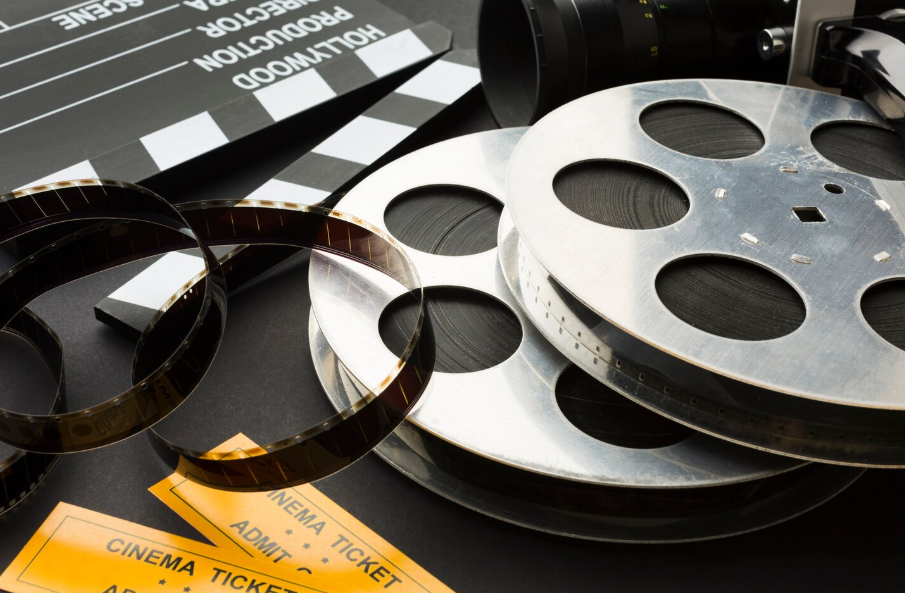
Many of the most important films in cinema history were created on physical film stock. For the artists who made them, film was not just a storage medium but part of the craft itself. It shaped the texture, depth, movement, and visual character of the finished work. Because of that, preservation is not only about saving the story of a movie, but also about safeguarding the material form through which that story was originally created.
Modern restoration often blends digital and photochemical processes. Archivists may scan original film materials, clean and repair image damage digitally, and then create new exhibition or preservation elements from that work. This combined approach allows experts to use the precision of digital technology without abandoning the value of film itself. In other words, the goal is not to choose one side over the other, but to use each format where it serves the film best.
Even so, many preservation specialists still view film stock as the strongest long-term archival medium. Properly stored in cold, dry, carefully monitored conditions, film can last for hundreds of years. Unlike digital files, which depend on ongoing migration, compatible systems, backup plans, and active data management, film can remain directly viewable in a way that makes it unusually durable over time.
That does not mean digital preservation is useless or unreliable. In fact, digital systems have become far more sophisticated and dependable than many people realize. But digital storage requires continuous oversight. Files must be checked, copied, migrated, and protected against hardware failure or format obsolescence. This creates an ongoing responsibility that is very different from maintaining a stable physical film element in a controlled archive.
Independent filmmakers face a particularly difficult challenge in this area. Many are focused on finishing their projects, getting into festivals, or securing distribution, and preservation can become an afterthought. Yet without a long-term plan, a film can become vulnerable surprisingly quickly. If copies are not backed up, migrated, or properly stored, a project may be much harder to recover later—especially if a distributor or streaming service removes it from circulation.
Another concern is infrastructure. Preserving film on film requires specialized laboratories, equipment, and technical knowledge, and those resources have become rarer over time. As fewer labs remain in operation, the ability to carry out high-quality photochemical preservation becomes more fragile. Keeping cinema history alive therefore depends not just on saving the films themselves, but on sustaining the institutions and tools capable of preserving them correctly.
Preservation also matters because restoration is not supposed to reinvent a movie. One of the central responsibilities of archivists is to remain faithful to a film’s original appearance. Digital tools can do a great deal, but too much intervention can strip away grain, texture, and subtle qualities that belong to the original work. Good preservation requires judgment and restraint, ensuring that repairs serve the movie rather than reshape it into something it never was.
This work is not only for scholars or collectors. Audiences still care deeply about seeing films as closely as possible to the way their makers intended. Repertory theaters and archival screenings continue to draw viewers who value the richness and authenticity of film presentation. That ongoing interest is a reminder that preservation is not just about the past. It is about keeping the experience of cinema alive in the fullest sense for people in the present and future.
In the end, film preservation is about more than storage. It is about memory, craftsmanship, and cultural continuity. Movies are part of the artistic and historical record, and protecting them requires patience, expertise, and respect for the medium in which they were born. In a digital world, preserving film remains essential not because technology has failed, but because cinema deserves to survive in forms that honor both its history and its art.